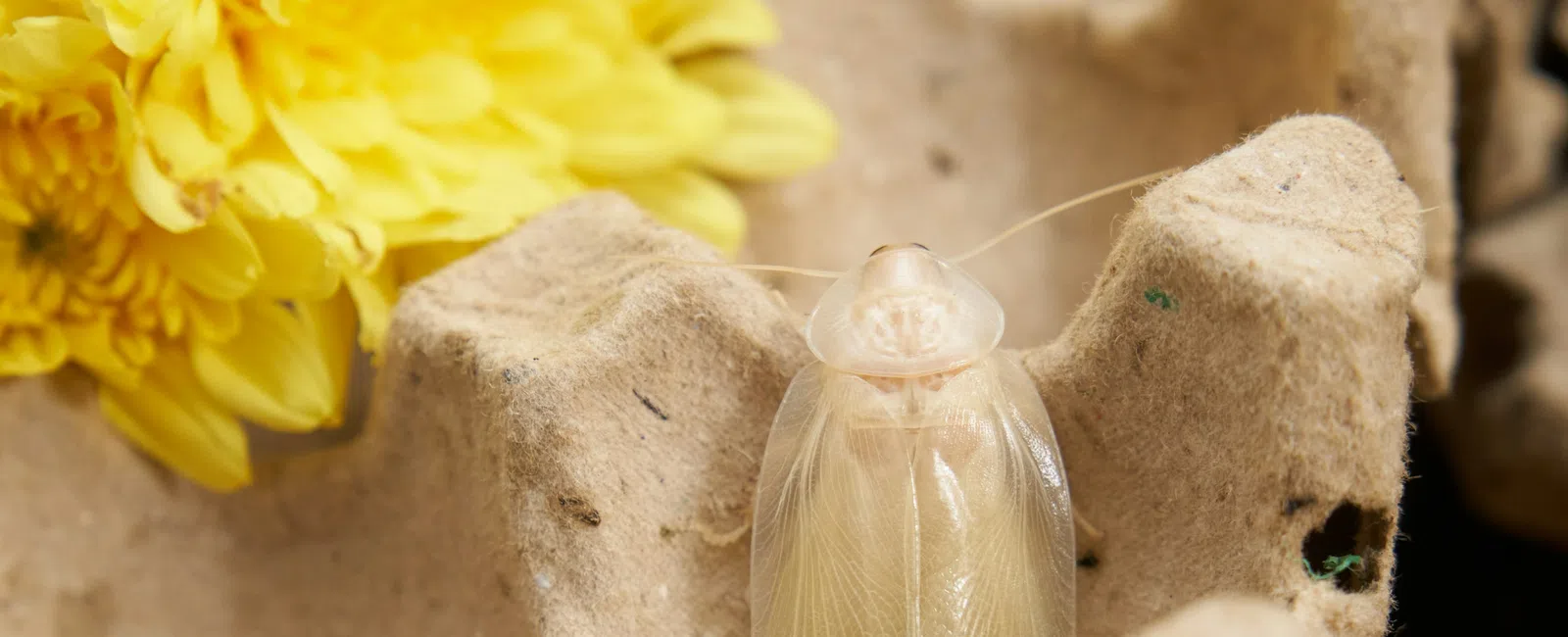
What an Albino Roach Is
The white insect is a regular cockroach that has
just shed its outer skin. Albinism is a genetic lack of pigment, and there has
never been a documented case of it in cockroaches. A white cockroach has all
the pigment it needs. The color simply has not developed yet in the new skin.
That means there is no separate white species to
identify. Any of the roaches common in South Florida homes can show up pale for
a short stretch, and the same individual will be brown again before the day is
over.
Why Cockroaches Turn White After Molting
A cockroach wears its skeleton on the outside.
That shell, called the cuticle, cannot stretch, so a growing roach has to shed
it and form a larger one. The process is molting, and it happens repeatedly
during the juvenile stage. A German cockroach nymph molts six or seven times
before it becomes an adult, with the last molt producing the winged, breeding
form.
Each time the old cuticle splits and the roach
pulls free, the new one underneath is soft and white because the pigmentation
process is not yet complete. A nymph turns white again at every molt, so the pale insect you spotted spends most of its life looking like an ordinary baby cockroach and turns white only for a few hours each time it outgrows its skin.
How Long a White Cockroach Stays White
Not long. The new cuticle hardens and darkens
within a few hours, and at the slow end, the full change takes several hours.
After that, the roach looks like every other member of its species.
The short window explains why sightings feel so
strange. A homeowner can live with roaches for months and see only brown ones,
then spot a single pale one and assume something new has moved in.
Why White Roaches Are Rarely Seen
A freshly molted roach is at its weakest. The
soft shell leaves it highly vulnerable to drying out and to predators, and it
is not yet rigid enough for the muscles to move the body well. Roaches deal
with that risk by hiding. They typically tuck into a protected spot a couple of
days before a molt and stay there until the new cuticle has hardened.
Those spots are the tight, dark, humid voids
roaches favor anyway: behind appliances, inside wall cavities, under cabinets,
around plumbing. In South Florida, the same moisture and warmth that explain what attracts palmetto bugs also make these voids comfortable places to
molt. Under normal conditions, the white stage begins and ends out of sight.
What a White Roach Says About Your Home
This is the part that matters. A white roach in
the open tells you three things.
First, roaches are growing up inside the house.
Molting is a juvenile activity, so a pale roach is evidence of a resident,
reproducing population and not a lone adult that wandered in from the yard.
Second, the hiding places are close. A soft,
slow roach does not travel far, so the harborage is usually within a short
distance of where you saw it.
Third, something pushed it out. Either the
harborage was disturbed, for example by moving an appliance or opening a wall,
or the preferred shelter is overcrowded. Seeing white roaches more than once
points toward the second explanation and a heavy infestation.
Which species you have changes the picture, because German and American cockroaches live and breed in very different parts of a property. A pale roach is hard to identify by eye since the markings people rely on have not darkened yet. This is the decision point where professional cockroach treatment makes the difference.
Royal Pest & Termite
inspects the home, identifies the species and locates the harborage, and when
the small indoor species is involved, the plan shifts to dedicated German cockroach treatment, since that roach lives its whole life inside
the structure.
Why Killing the One You Saw Changes Little
Getting rid of the white roach in front of you is easy, since it can barely run. It also accomplishes very little. That one insect was a sign of the nymphs, adults, and egg cases still in the void it came from, and nothing done in the open reaches them.
Lasting control depends on
finding where the population is sheltering and treating there, then following
up as the next round of eggs hatches. Homeowners who rely on what they can see
tend to knock down the visible roaches while the hidden population keeps molting
on schedule.
Whether White Cockroaches Are Dangerous
A white cockroach is not poisonous, and it is no more dangerous than the brown roach it will be in a few hours. It carries the same concerns as any cockroach.
Shed skins are part of that picture, because
roach body parts and droppings break down into fine particles that settle into
household dust. Royal's article on cockroach health risks goes through those concerns, and every molt in
a hidden void adds another cast skin to the home.
Schedule a Cockroach Inspection With Royal Pest & Termite
A pale roach on the kitchen floor is a small thing to see and a clear thing to act on, because it means roaches are maturing somewhere nearby.
Royal Pest & Termite works with homeowners across
Miami-Dade, Broward, and Palm Beach counties, and the 4.8 stars the team holds
across 173 Google reviews come from neighbors who wanted the source found and
not only the stragglers. Call us today to schedule a free cockroach
inspection and stop the next generation from maturing before South Florida's
humidity helps it along.