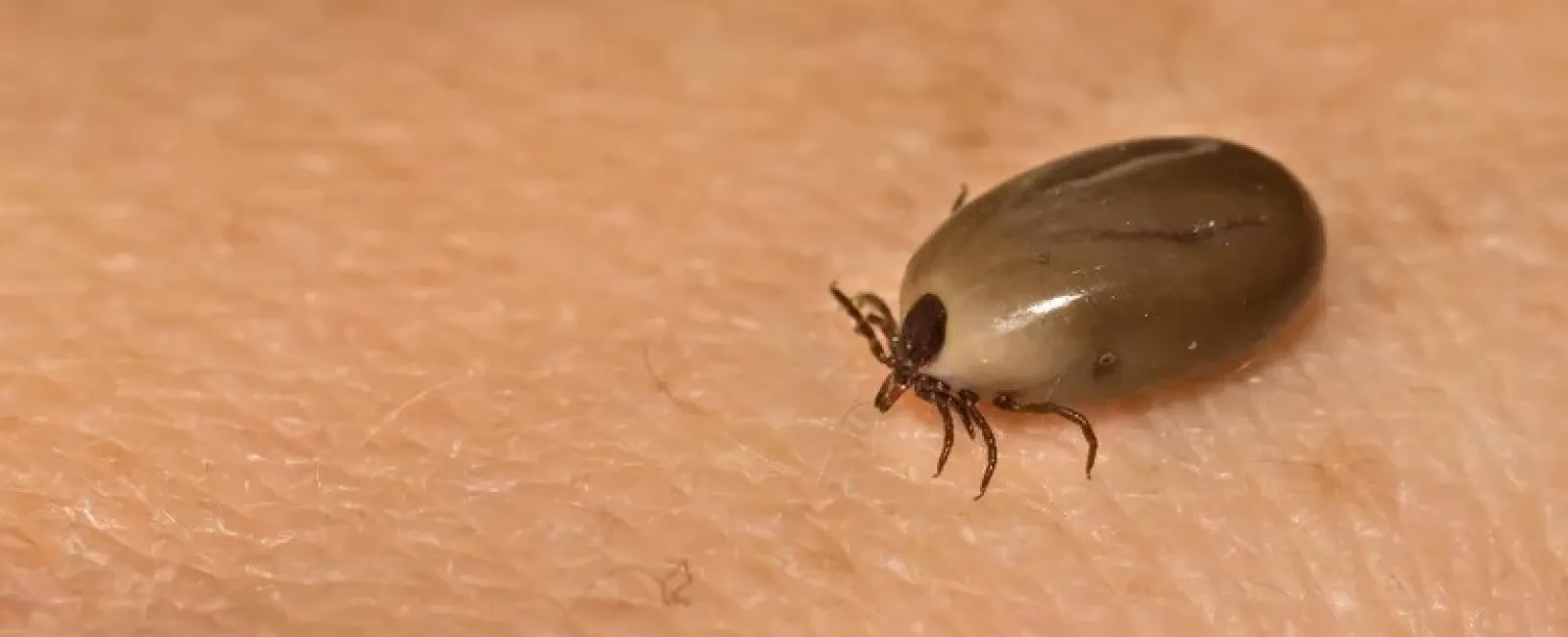
Ticks are small arachnids with oval bodies and eight legs, ranging in size from a sesame seed to a pencil eraser. They thrive in warm, humid environments and grassy or wooded areas with dense vegetation. Ticks are most active in Florida during the warmer months, particularly in late spring and summer. Managing ticks effectively often requires professional intervention, where they assess properties to identify tick-prone areas and apply targeted treatments. Pest control professionals use specialized equipment and insecticides to address high-risk zones, ensuring a focused approach to reducing tick populations and creating a safer environment.
What Do Ticks Look Like?
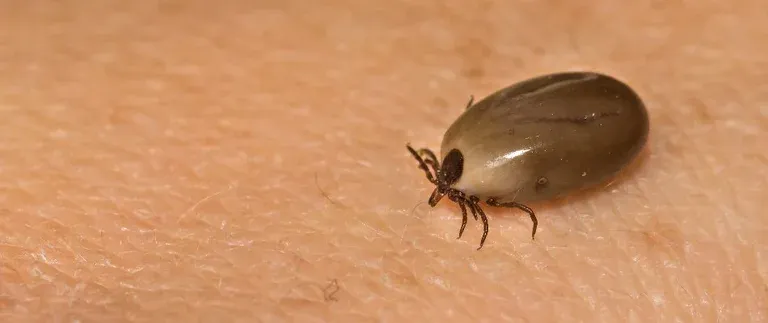
Ticks have oval, flattened bodies with eight legs and no antennae. Generally, adult ticks range in size from a sesame seed to a pencil eraser, measuring between 3 and 5 millimeters when unfed. However, their bodies can swell significantly after feeding on blood, sometimes to the size of a small grape, making them more noticeable.
Ticks vary in color, with shades ranging from brown to black, and some may have reddish or yellowish tints. Different species have distinct markings, such as the black-legged tick, commonly known as the deer tick, which carries Lyme disease. Recognizing these characteristics can help in identifying ticks and assessing potential health risks associated with their presence.
When Are Ticks a Problem in Florida?
Ticks are most active in Florida during warmer months, with late spring and summer being the peak times for tick activity. However, this can vary depending on the region and specific climate conditions. In areas with milder winters, ticks may remain active late into the fall and even re-emerge briefly in early spring. Understanding the tick season in your area is essential for planning preventive measures. During these peak times, ticks are more likely to be found questing for hosts, waiting on vegetation to latch onto passing animals or humans. Increased outdoor activities during these months can lead to a higher risk of encounters, making vigilance crucial.
Where Do Ticks Live and Breed?
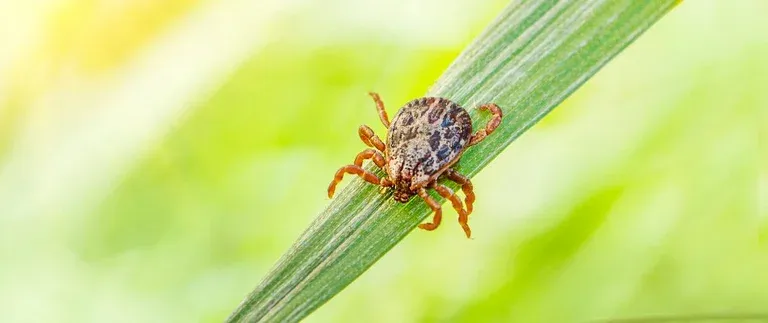
Ticks thrive in warm, humid environments and are commonly found in grassy, brushy, or wooded areas. They prefer locations with ample vegetation because it provides the necessary humidity for their survival and opportunities to encounter hosts. Leaf litter, tall grass, and dense shrubs are ideal habitats where ticks can hide and lay eggs. Each species may have specific habitat preferences; for example, the black-legged tick is often found in wooded areas, while the lone star tick tends to inhabit shrublands. Understanding these habitats and life cycles aids in identifying areas that may require monitoring or treatment to minimize tick populations.
How Do You Get Rid of Ticks?
Effectively managing ticks often requires the expertise of pest control professionals. Pros conduct thorough assessments of your property to identify tick-prone areas and implement strategic treatments tailored to your specific needs. They use specialized equipment and approved insecticides to target high-risk zones, such as wooded edges, tall grasses, and dense vegetation. Enlisting pest control services guarantees a focused and effective approach to creating a safer, tick-free environment.
Protect Your Property From Ticks
If you're looking for a reliable pest control company to help you eliminate ticks from your home or business, look no further than Royal Pest & Termite. Our team offers a tick control service to commercial and residential properties, as well as HOAs, in Miramar, Pembroke Pines, Davie, FL, and nearby areas.