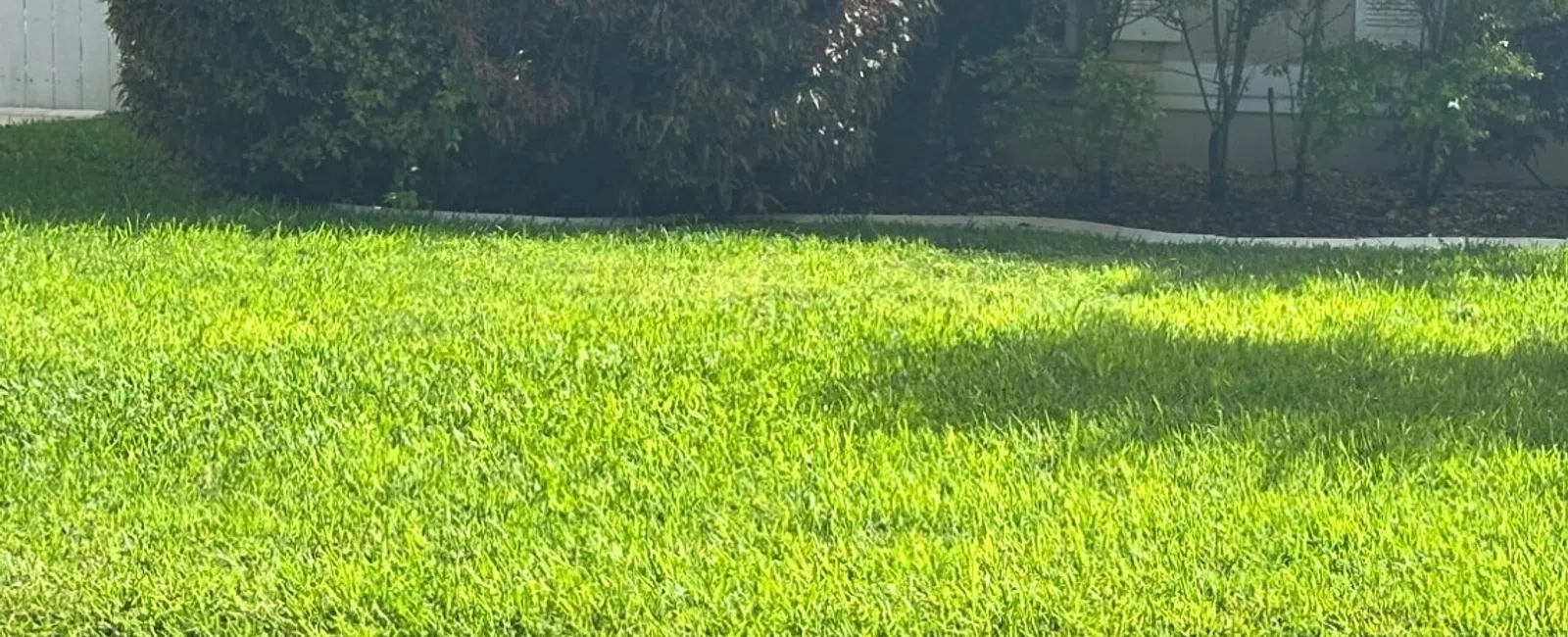
Lawn fungal diseases are among the most frequent causes of St. Augustine grass decline in South Florida. The region's combination of high humidity, warm temperatures, frequent rainfall, and year-round turf growth creates conditions where fungal pathogens can establish and spread rapidly. Understanding which disease is affecting your lawn, what conditions triggered it, and which treatment approach is appropriate for each is the starting point for effective recovery.
Misdiagnosis is common. Brown patch, gray leaf spot, and take-all root rot each produce different visual symptoms and require different management approaches. Applying the wrong fungicide or treating a fungal disease with irrigation changes alone typically produces poor results and delays recovery.
The Three Most Common Lawn Fungal Diseases in South Florida
Brown Patch
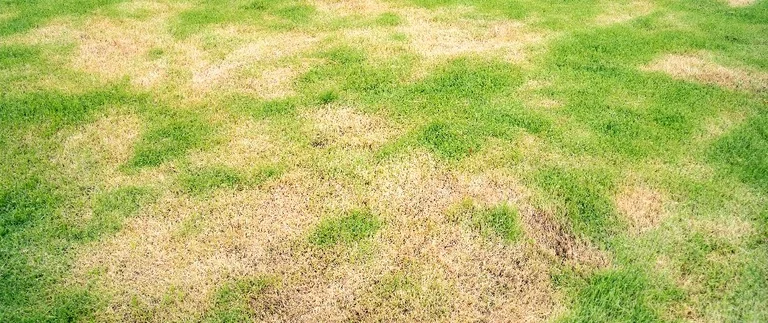
Brown patch is caused by a fungal pathogen that becomes active when nighttime temperatures drop below 70 degrees Fahrenheit and humidity is high. In South Florida, this means brown patch is primarily a fall and winter disease, typically active from October through February when nighttime temperatures cool.
Symptoms: Circular to irregular patches of tan or brown grass, ranging from a few inches to several feet in diameter. The patch border often shows a darker, water-soaked ring of grass, referred to as a "smoke ring," that is most visible in the early morning before temperatures rise. Affected grass blades show lesions with tan centers and dark brown borders. The grass within the patch may die back entirely in severe cases, but the roots typically survive, allowing recovery once conditions change.
What causes it: Excessive nitrogen fertilization in the fall promotes the lush, succulent growth that brown patch pathogens favor. Overwatering and poor drainage create prolonged leaf wetness, which allows the fungus to spread. Evening irrigation is a significant contributing factor because it leaves grass blades wet overnight when temperatures are favorable for the pathogen.
Treatment: A registered fungicide containing azoxystrobin, propiconazole, or thiophanate-methyl applied according to label directions provides effective control. Curative applications for active disease should be followed by one or two additional applications at 14- to 21-day intervals to prevent rebound. Cultural adjustments are equally important: reduce irrigation frequency, water only in the early morning, avoid nitrogen applications in fall, and improve drainage in low-lying areas of the lawn.
Gray Leaf Spot
Gray leaf spot is a summer disease, most active during South Florida's hot, humid rainy season from June through September. It is one of the most damaging fungal diseases of St. Augustine grass in the region and is frequently misidentified as a pest problem or irrigation issue.
Symptoms: Individual grass blades develop small, water-soaked lesions that enlarge and turn gray to tan with dark brown or purple borders. As the disease progresses, affected blades turn yellow and die, giving the lawn a scorched or burned appearance across larger areas. Unlike brown patch, gray leaf spot does not produce the circular patch pattern; damage is more diffuse and widespread across the lawn. During active disease, fine gray sporulation may be visible on lesions in the early morning.
What causes it: High temperatures combined with extended leaf wetness from summer rainfall are the primary triggers. Overwatering during the rainy season significantly compounds the problem. Excessive nitrogen fertilization during summer promotes the rapid growth of succulent tissue that gray leaf spot targets most aggressively. Newly sodded lawns are particularly vulnerable in their first summer.
Treatment: Fungicides containing azoxystrobin, pyraclostrobin, or mancozeb are registered for gray leaf spot control. Because the disease progresses rapidly under summer conditions, timely application is important; early intervention when lesions first appear yields better results than waiting until widespread dieback occurs. Reduce or eliminate supplemental irrigation during the rainy season, and hold off on nitrogen fertilizer applications during active disease. The lawn typically recovers as conditions shift in the fall.
Take All Root Rot
Root rot is a soilborne fungal disease that attacks the root system of St. Augustine grass rather than the blades, making it harder to diagnose and slower to respond to treatment than foliar diseases.
Symptoms: Irregular yellow to light green patches that do not respond to irrigation or fertilization. Because the fungal pathogen damages the root system, the affected grass cannot take up water or nutrients effectively, regardless of what is applied. The grass blades may yellow and thin, and affected areas often have a shallow, easily pulled root system with dark, rotted roots. Stolons may show dark discoloration at the nodes. Root rot is most active during South Florida's cooler, wetter months (October through April), but its effects are often most visible in spring, when the damaged root system cannot support recovery.
What causes it: The pathogen responsible for take-all root rot thrives in high-pH, overly wet soils. Excessive irrigation, poor drainage, and soil pH above 7.0 are the primary factors contributing to alkaline soils in South Florida. Thatch accumulation creates the moist, organic layer near the soil surface where the pathogen proliferates.
Treatment: Root rot is one of the more difficult lawn diseases to manage because it requires both a fungicide application and correction of the underlying soil conditions. Fungicides containing azoxystrobin or thiophanate-methyl can suppress the pathogen, but without addressing pH and drainage, recurrence is likely. Soil amendments to lower pH (sulfur applications), improved drainage, reduced irrigation frequency, and dethatching are cultural practices that make fungicide treatment more durable. Recovery is typically slow; damaged root systems take weeks to months to regenerate.
How to Tell Lawn Fungus from Other Problems
Fungal disease is frequently misidentified as drought stress, pest damage, or nutritional deficiency. Correct diagnosis before treatment avoids wasted expense and further damage.
- Fungus vs. chinch bug damage. Chinch bug damage concentrates in hot, sunny areas of the lawn along hard surfaces. Fungal disease is more likely to occur in shaded, moist areas or during cool, wet seasons. Chinch bug-damaged turf does not recover with irrigation; drought-stressed turf does. Fungal disease patches do not respond to either irrigation or fertilization.
- Fungus vs. drought stress. Drought-stressed St. Augustine grass recovers within 24 to 48 hours of adequate irrigation. Fungal disease patches do not improve with watering; in fact, additional irrigation typically worsens fungal conditions. If the lawn is not recovering despite regular irrigation, fungal disease is likely involved.
- Fungus vs. nutritional deficiency. Nitrogen deficiency produces uniform yellowing across the lawn rather than patches. Fungal disease produces irregular patches, lesions on individual blades, or diffuse damage patterns that differ visually from the uniform pale color of a nutrient-deficient lawn.
When in doubt, examine individual grass blades within a damaged area under good light. Visible lesions with distinct borders, gray sporulation, or dark margins on yellowing blades are strong indicators of fungal disease rather than environmental stress.
Preventing Lawn Fungal Disease in South Florida
Cultural practices that reduce leaf wetness, prevent excessive succulent growth, and maintain healthy root systems are the foundation of fungal disease prevention.
- Water correctly. Apply irrigation in the early morning, not at night, so grass blades dry during the day. Water deeply and infrequently rather than light daily watering. During South Florida's rainy season, reduce or eliminate supplemental irrigation entirely.
- Fertilize appropriately. Avoid high-nitrogen fertilizer applications in the fall (which promotes growth that is susceptible to brown patch) and during periods of high summer disease pressure (which promotes growth that is susceptible to gray leaf spot). A balanced, slow-release fertilizer program produces steady growth that is less vulnerable to fungal attack than the rapid, succulent growth produced by high-nitrogen applications.
- Manage thatch. Thatch accumulation of more than half an inch creates a moist layer near the soil surface that harbors fungal pathogens and restricts air circulation at the crowns of grass plants. Annual or biannual dethatching reduces this harborage zone.
- Improve drainage. Low-lying areas that hold water after rain or irrigation are consistently the sites of first infection for most South Florida lawn fungal diseases. Addressing grade issues, aerating compacted soil, and improving drainage in problem areas reduces disease incidence over time.
- Preventive fungicide applications. For lawns with a history of recurring fungal disease, preventive fungicide applications at the beginning of the disease-prone season (fall for brown patch, early summer for gray leaf spot) can prevent establishment before the disease takes hold.
Professional Lawn Disease Management
Accurate identification of the disease present determines the appropriate fungicide, application timing, and cultural corrections needed for effective treatment. Applying a fungicide registered for brown patch to an active gray leaf spot infestation, or treating take-all root rot without addressing soil pH, produces inconsistent results and delays recovery.
Our lawn care services include fungal disease diagnosis, fungicide application, and cultural management recommendations tailored to your lawn's specific conditions and disease history. We also provide lawn insect control for cases where pest damage and fungal disease are occurring simultaneously, a common situation in South Florida lawns under stress.
Schedule a Lawn Inspection
Lawn disease diagnosis is most accurate when the disease is active and producing visible symptoms. If you are seeing unexplained patches, blade lesions, or areas of the lawn that are not responding to irrigation or fertilization, an inspection establishes what is present and what treatment is appropriate.
Royal Pest & Termite provides lawn care services throughout Broward County and surrounding South Florida communities, including fungal disease diagnosis, fungicide applications, and weed control programs for St. Augustine and other South Florida turf species.
Call us at (754) 202-4607 or schedule a free lawn inspection online.
We serve Miramar, Pembroke Pines, Davie, Hollywood, Fort Lauderdale, Boca Raton, South Palm Beach County, and most of Broward County, FL. We also service select areas in northern Miami-Dade County. Call us to confirm availability at your address.