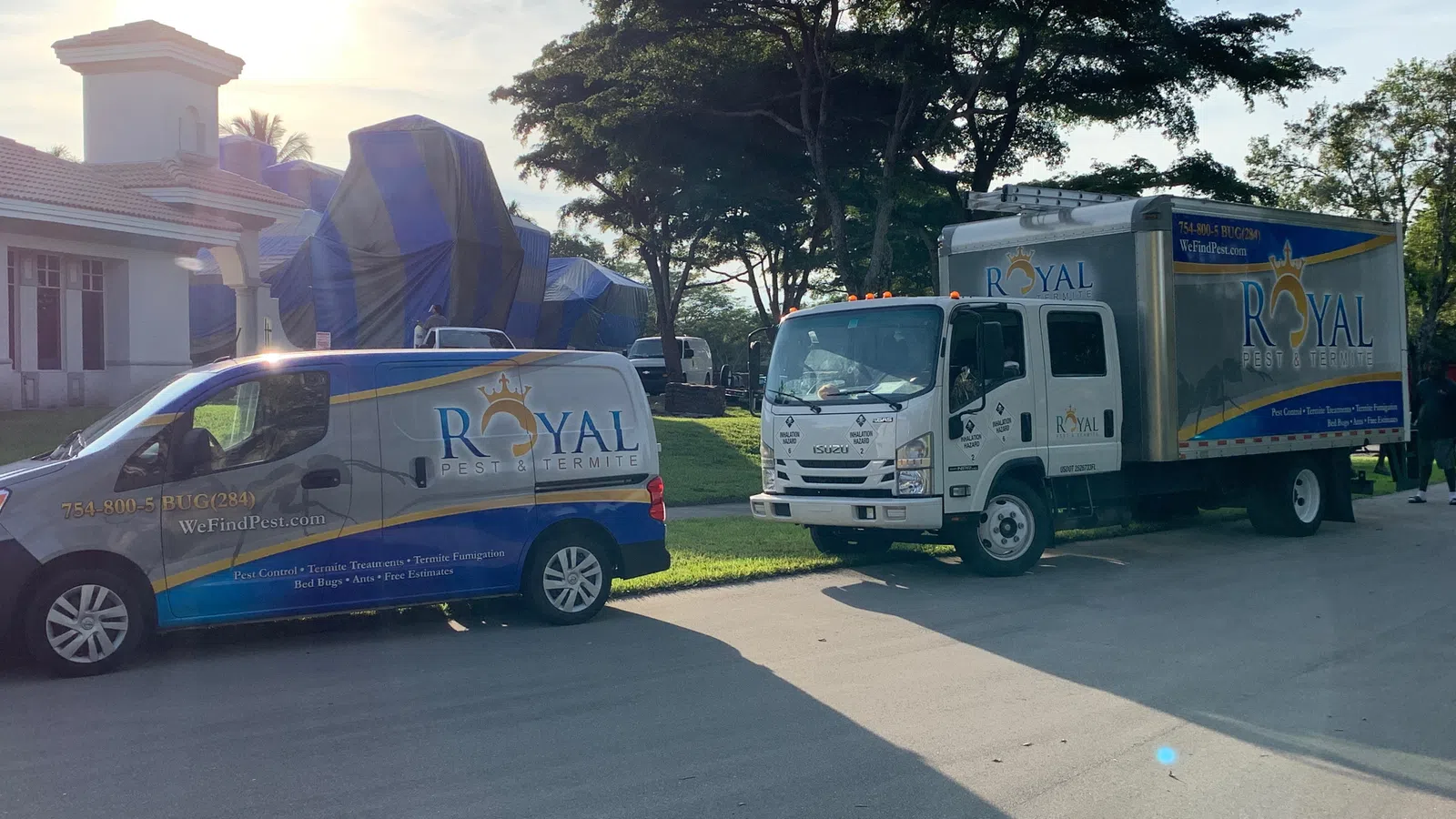
Termite Control in Plantation, FL
Shade, Moisture, and Old Wood
Get Termite Protection

★★★★★
4.8 Rating

★★★★★
4.6 Rating
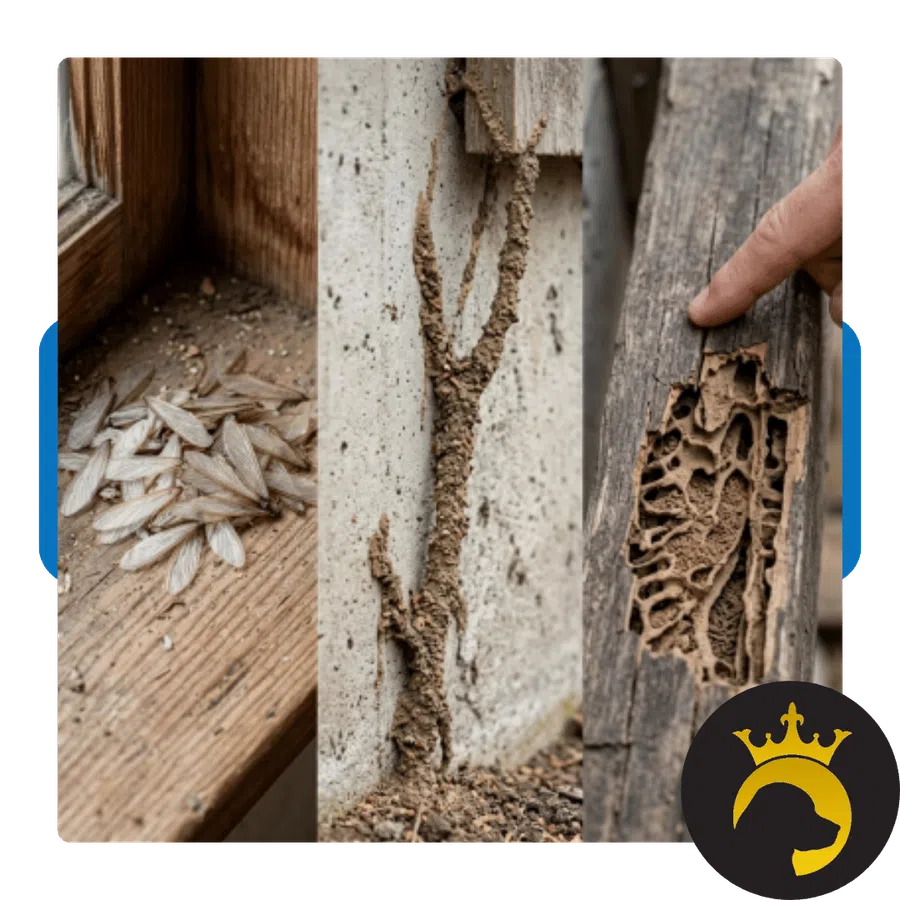
What We Find on Plantation Termite Inspections
Plantation splits at Pine Island Road, and the termite
picture splits with it. East is a shaded 1960s and 1970s suburb; west is
acreage.
On the east side, the canopy is the whole story. Oak and
ficus planted sixty years ago now close over the street; the north wall of a
house never gets direct sun, and foundation soil stays damp through the dry
season. We find subterranean tubing at the slab edge on those streets, and
drywood in roof framing that is now past fifty years old.
Along the Jacaranda corridor and the canal-backed sections,
irrigation on the golf frontage adds to it, and we work around root systems and
close setbacks to keep a soil barrier unbroken. Our
termite treatment follows what the inspection turns up rather than a
standard package.


Termite Species Active in Plantation

Drywood Termites

Native Subterranean Termites
Underground colonies reach the structure through cracks in the slab, foundation walls, and plumbing penetrations. Deep shade and irrigation
keep them active here through the months when they would slow down in a drier spot.

Formosan Subterranean Termites
Invasive and established across inland Broward, with
colonies that feed hard enough to cause structural damage in months rather than
years. On wood outbuildings, the damage accumulates faster than it does on
block.
Signs of Termites in Plantation Homes

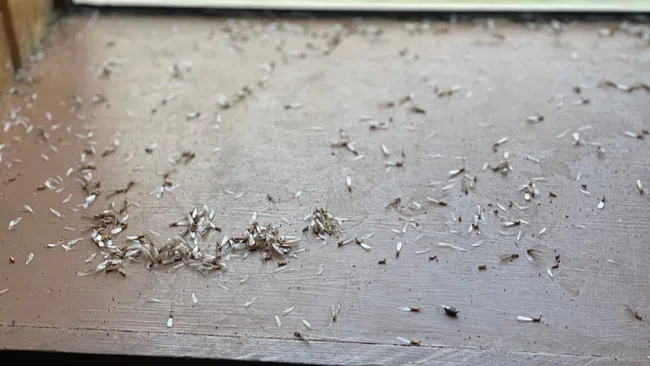
Discarded wings
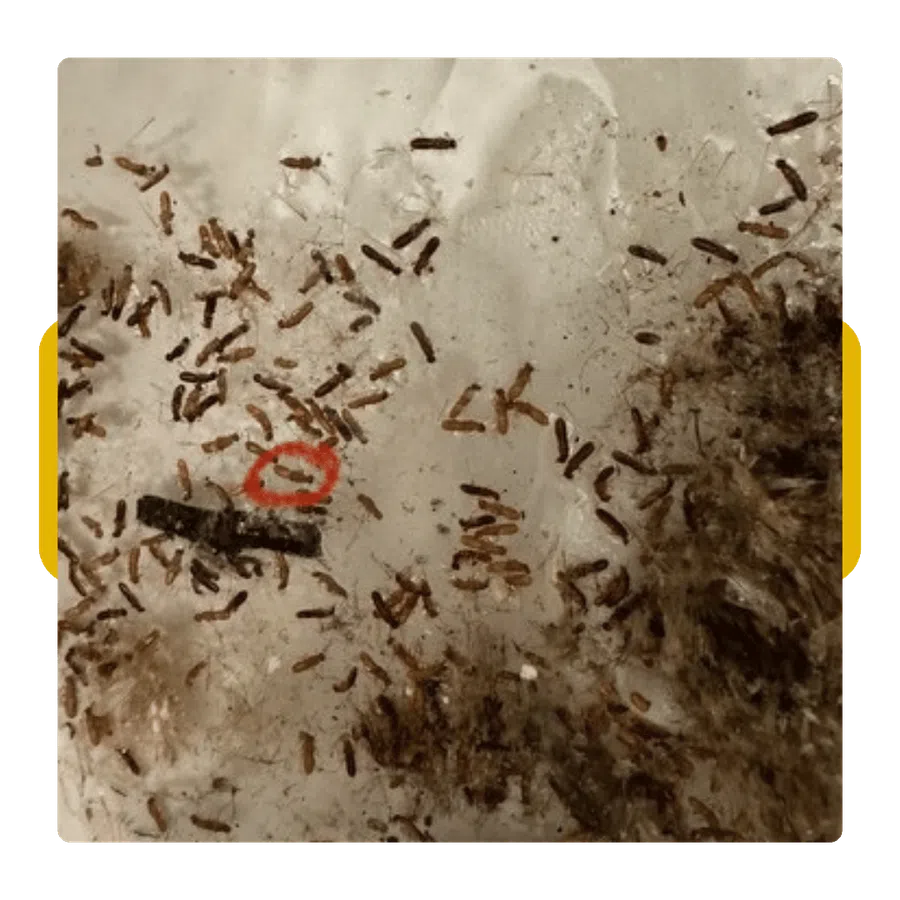
Termite frass
Mud tubes
Wood cracking
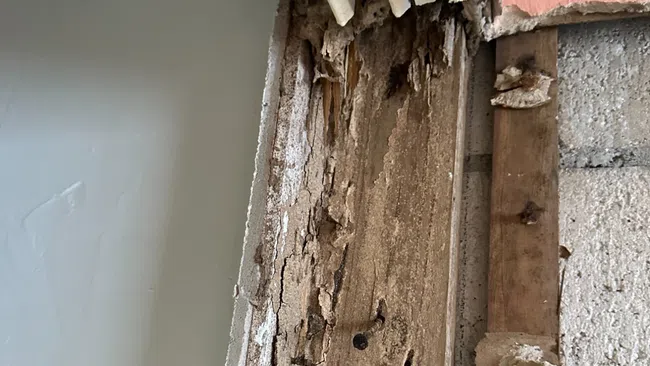
Wall damage
Window damage
Flying insects
How Our Plantation Termite Inspection Works
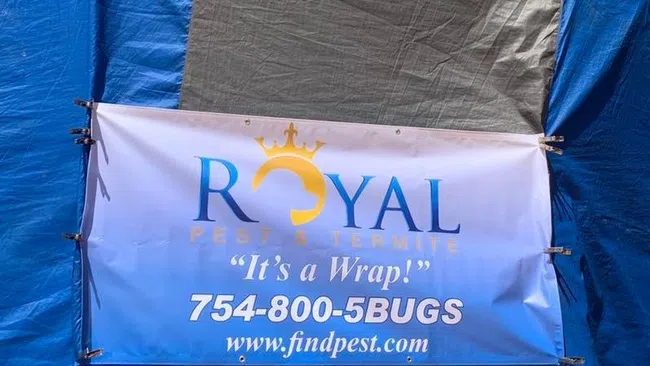
From your first call to ongoing protection, here's what to expect when you partner with Royal Pest & Termite.
Why Plantation Homeowners Choose Royal Pest & Termite
Royal Pest & Termite has protected Broward County homes
since 2014 from our office on Miramar Parkway. Our technicians are Florida
licensed and continue training through University of Florida programs, and we
are members of the Florida Pest Management Association. Fumigation is performed
by our own crew, never handed to a third-party tenting contractor.
Reasons to Choose Royal Pest & Termite

Locally Trusted

Licensed & Insured

Guarantee + Call-Backs

Award-Winning

Top-Rated

Ongoing Training
Proud Members of the Florida Pest Management Association
Termite Control Questions from Plantation Homeowners
How much does termite treatment cost in Plantation?
Cost depends on the species, the home's size and construction, and how far the activity has spread. We price fumigation and foam by cubic footage because the product must reach throughout the structure; we price bait stations and trenching by linear footage around the foundation. We inspect for free and give you a written estimate before scheduling.
Can you treat a barn, shed, or detached structure?
Yes. Detached wood structures are often where infestations start, and inspectors often skip them when they only cover the house. We inspect and treat barns, stables, sheds, workshops, and fencing along with the main structure, and we price them in the same estimate.
How can I prevent termites?
Control moisture and break wood-to-soil contact. Move mulch and planting beds away from the wall, aim irrigation away from the foundation, keep gutters clear, and keep firewood and stored lumber off the ground. Screening attic and soffit vents closes the drywood route, and annual inspections catch what housekeeping cannot.
How much does it cost to tent a house for termites in Plantation?
Tenting is priced by cubic volume, so roof shape, ceiling height, and attached structures affect the price more than square footage. Two houses with the same square footage can be priced very differently once the roof volume is measured. We measure the actual structure during the free inspection.
When is termite season in South Florida?
Colonies feed year-round here, so there is no off-season for the damage. Swarming is seasonal: drywood and native subterranean swarms run from roughly February into May, and the invasive subterranean species swarm in late spring and early summer, usually in the evening after a warm rain.
What kills termites instantly?
Is termite treatment worth it in Florida?
In South Florida, it generally is, because standard homeowners policies exclude termite damage, and owners pay for repairs. Structural framing replacement costs far more than preventive treatment, and conditions here mean colonies don't die back seasonally the way they do in cooler climates.