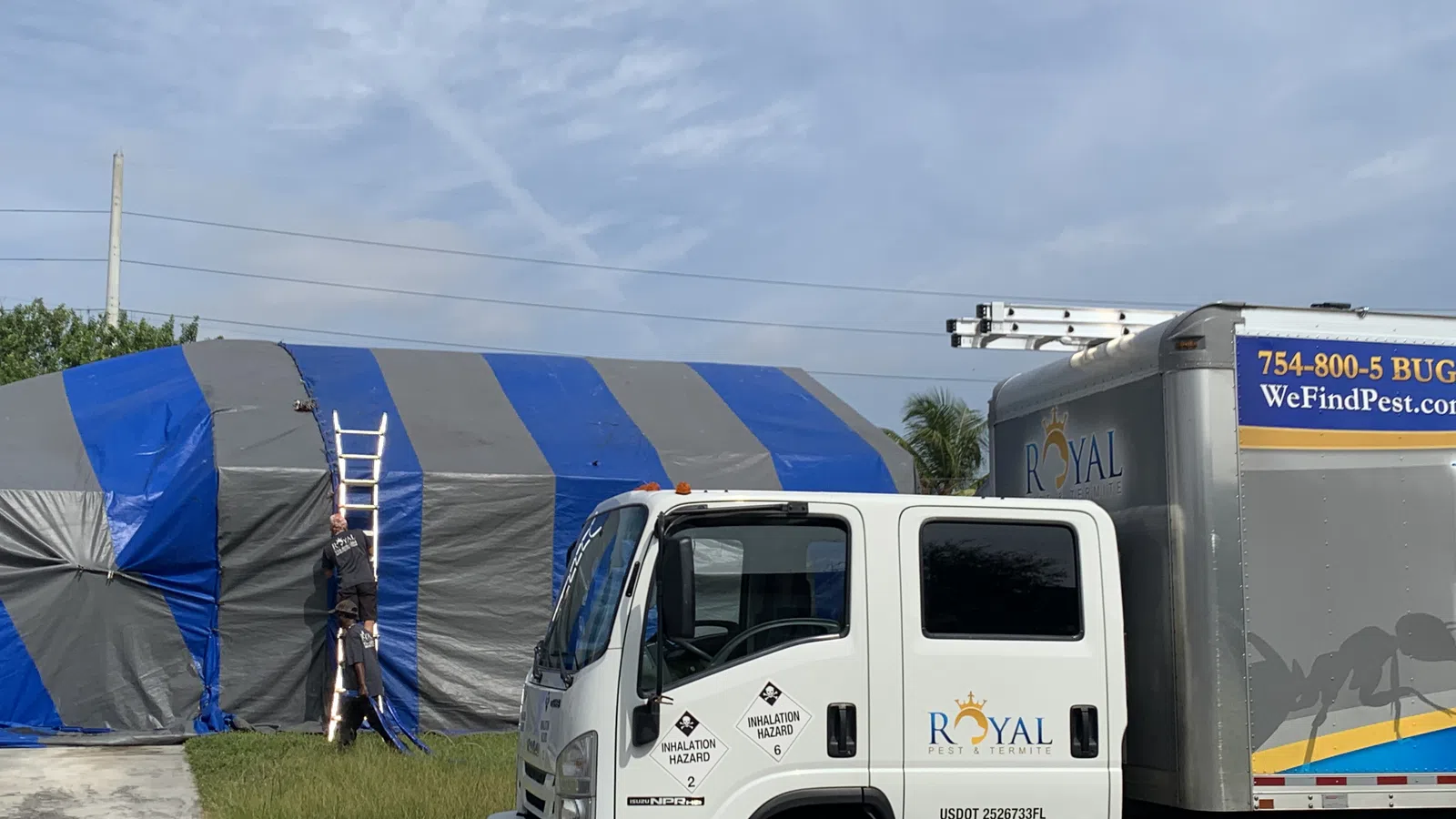
Termite Control in Country Club, FL
Townhome Communities, Shared Walls
Get Termite Protection

★★★★★
4.8 Rating

★★★★★
4.6 Rating
What We Find on Country Club Termite Inspections
Country Club sits north of Miami Lakes on the county line,
and it is a townhome community. The area went from a golf course with a few hundred
residents to nearly fifty thousand people in about thirty years, and almost all
of that arrived as attached housing.
What makes it different from other attached construction is
run length. These are not duplexes; they are buildings of six, eight, and ten
units in a continuous row, which means the roof framing runs a hundred feet or
more without a firewall to stop it. Drywood found in one unit has that entire
run available to it, and we regularly trace activity three and four doors down
from the household that called.
Underneath, the ground is filled former wetland with a high water table, and subterranean tubing shows at slab edges and enclosure footings on the perimeter units. Our termite control services on a building this long are planned as one job rather than one address.


Termite Species Active in Country Club

Drywood Termites
Live inside the wood they eat with no soil contact at all.
Here, they sit in roof framing that runs continuously across an entire attached
building, which is what lets one colony serve several households.

Native Subterranean Termites
Nest underground and reach the slab through cracks,
foundation walls, and plumbing penetrations. Groundwater in the filled ground keeps colonies active through the dry months.

Asian Subterranean Termites
Invasive and widespread across the county, with colonies
larger than the native species and the ability to nest above ground inside a
structure. In a building with concealed roof space, that habitat matters more than usual.
Signs of Termites in Country Club Homes

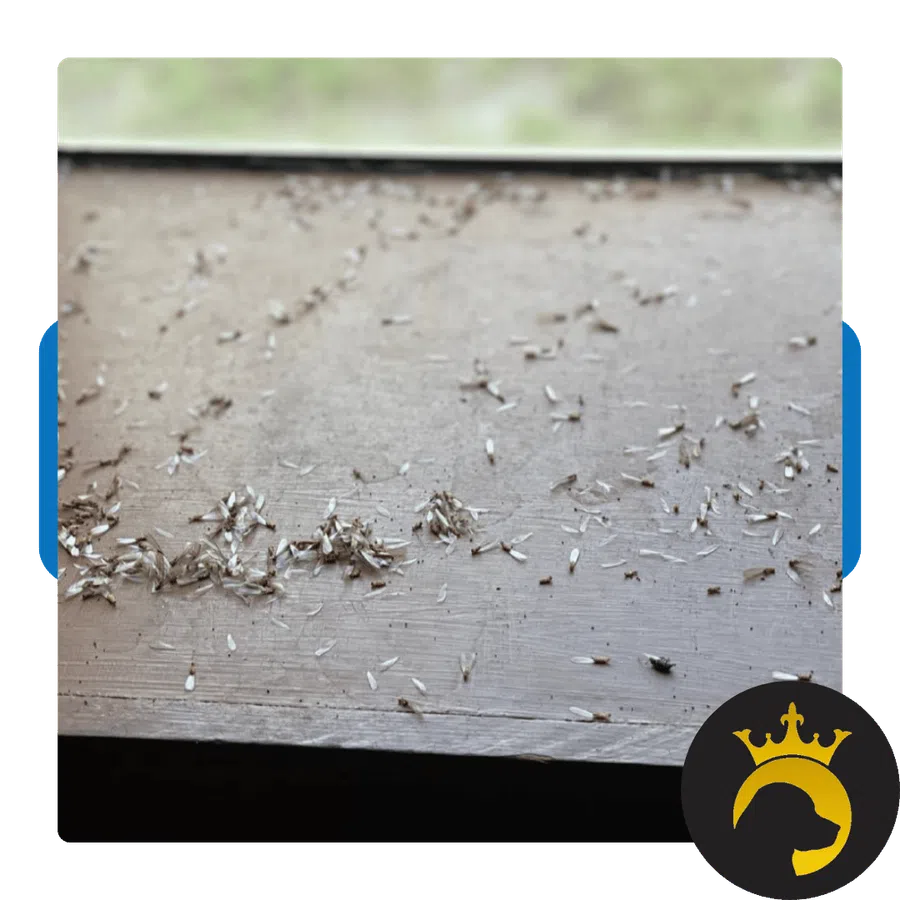
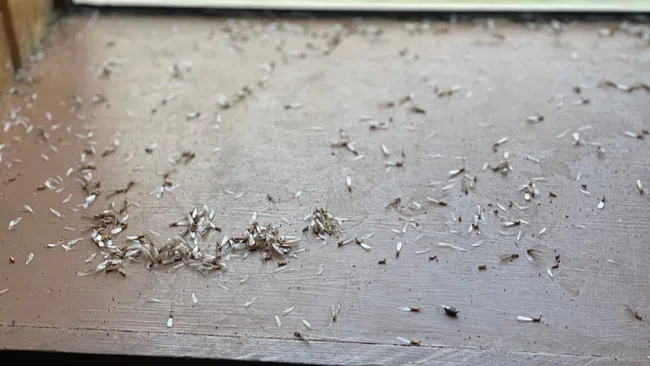
Discarded wings
Termite frass
Mud tubes
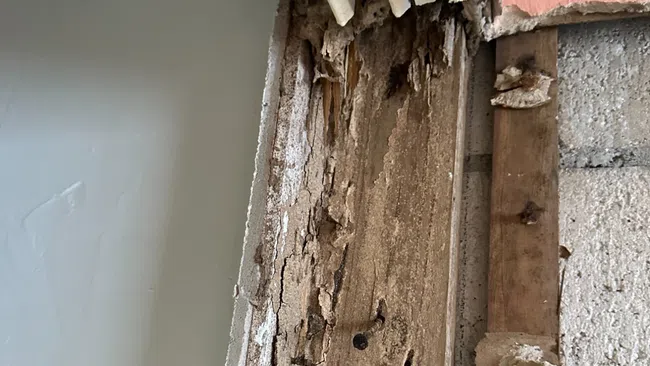
Wood cracking
Wall damage
Window damage
Flying insects
How Our Country Club Termite Inspection Works
From your first call to ongoing protection, here's what to expect when you partner with Royal Pest & Termite.
Why Country Club Homeowners Choose Royal Pest & Termite
Royal Pest & Termite has served Miami-Dade County since
2014 from an office on Miramar Parkway, not a regional dispatch center.
Technicians are Florida-licensed and train through University of Florida
programs, and the company is a member of the Florida Pest Management Association. Our own crew handles fumigation rather than a third-party tenting
contractor.
A dog inspired the name, and product selection starts with who lives in the house rather than what is eating it. One
account and one guarantee cover pest control in Country Club and the termite
work together.
Reasons to Choose Royal Pest & Termite

Locally Trusted

Licensed & Insured

Guarantee + Call-Backs

Award-Winning

Top-Rated

Ongoing Training
Proud Members of the Florida Pest Management Association
Termite Control Questions from Country Club Homeowners
How much does termite treatment cost in Country Club?
Do you treat condos and townhomes, or only single-family homes?
Do newer homes get termites?
Yes, and more often than owners expect. A pre-construction soil barrier is protection with a shelf life, not a permanent seal, and landscaping, irrigation, and additions installed afterward routinely cut through it. Concrete block construction does not change the answer either, because roof trusses, fascia, frames, and cabinetry are still wood.
Why do flying termites suddenly appear?
What is the difference between drywood and subterranean termites?
What do termite droppings look like?
What causes termites in a house?
A path in and a reason to stay. Subterranean colonies follow moisture and any point where wood meets soil, so irrigation against the wall, a slow leak, or a planting bed above the slab line is usually the cause. Drywood termites need no path at all: a swarmer lands, gets through a vent or a gap in fascia, and starts a colony inside the wood.