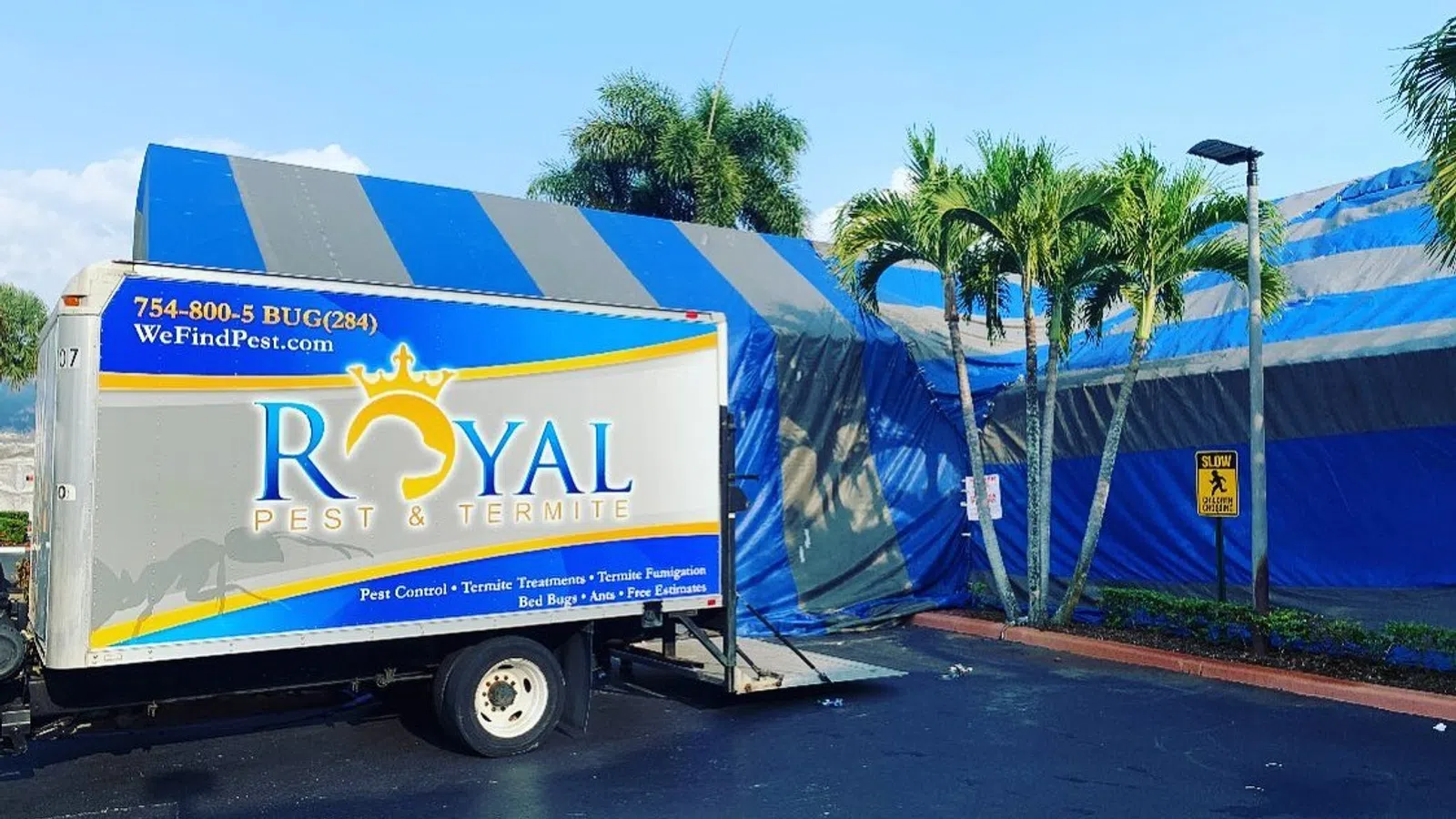
Termite Control in Boynton Beach, FL
Honest Inspections, Clear Estimates
Get Termite Protection

★★★★★
4.8 Rating

★★★★★
4.6 Rating
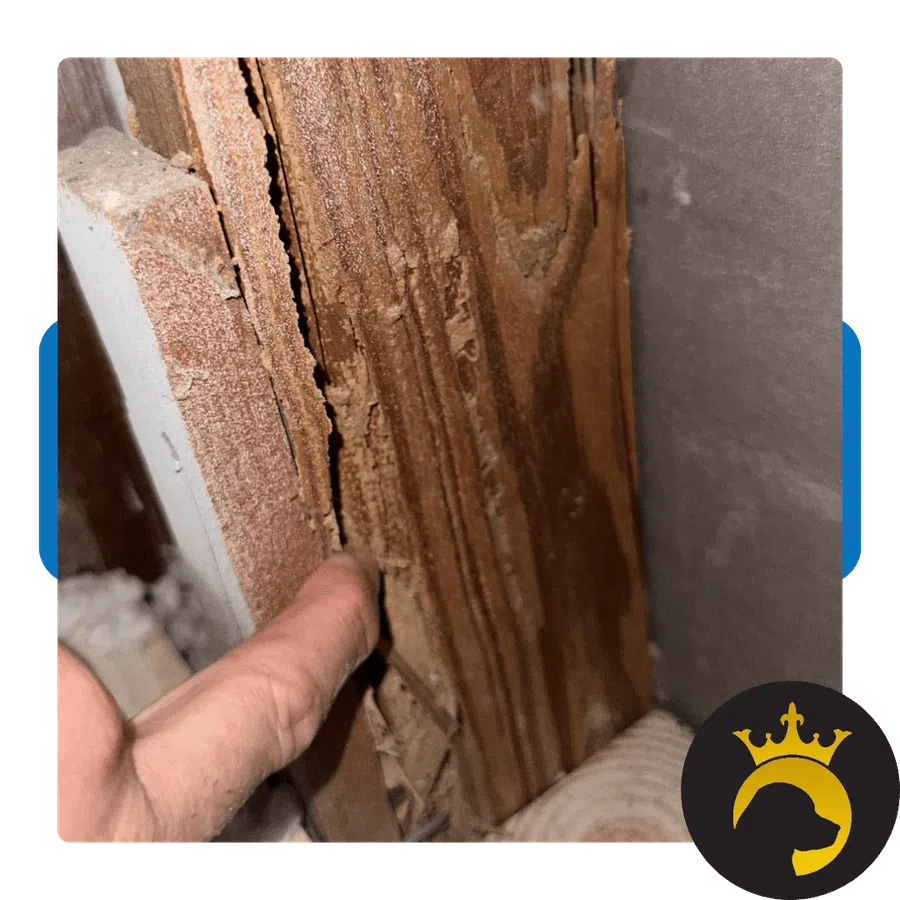
What We Find on Boynton Beach Termite Inspections
Boynton Beach has one of the highest concentrations of
55-plus villa and low-rise communities in Palm Beach County, and that shapes
most of our work here. Attached construction means framing runs continuously
through party walls, so a confirmed finding in one unit raises questions about the neighbors.
Those communities were largely built between the 1960s and
1980s, which puts the wood roof systems well past 40 years old. Attic framing is
where the drywood consistently turns up.
East of Federal, the older single-family housing near Ocean
Avenue and the Intracoastal adds subterranean pressure from damp, low-lying
soil. Our termite control services account for the
building type as much as the species.


Termite Species Active in Boynton Beach
Drywood Termites
Native Subterranean Termites
Underground colonies tubing up through slab cracks and
foundation walls. The lower-lying housing east of Federal carries most of it.
Asian Subterranean Termites
Invasive and established along the Palm Beach County coast,
with colonies larger than the native species and the ability to nest above
ground inside a structure.
Signs of Termites in Boynton Beach Homes

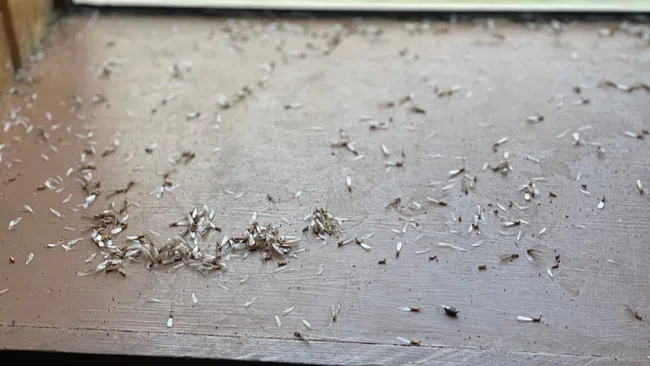
Discarded wings
Termite frass
Mud tubes
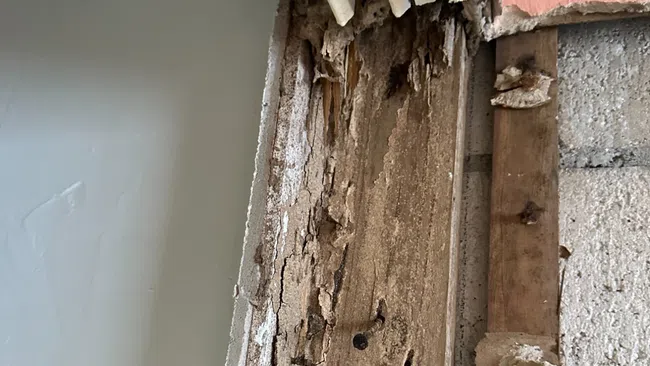
Wood cracking
Wall damage
Window damage
Flying insects
How Our Boynton Beach Termite Inspection Works
From your first call to ongoing protection, here's what to expect when you partner with Royal Pest & Termite.
Why Boynton Beach Homeowners Choose Royal Pest & Termite
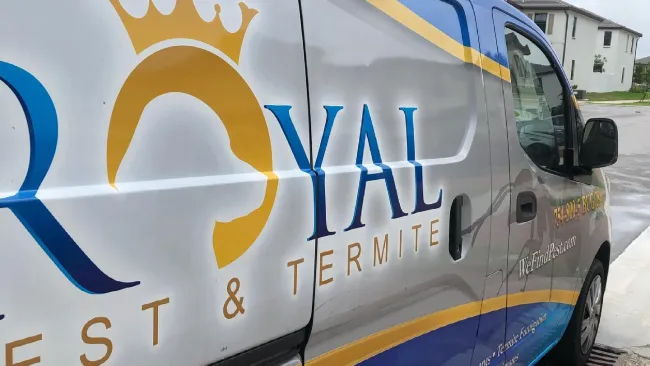
Royal Pest & Termite has protected Palm Beach County
homes since 2014 from our Miramar Parkway office. Our technicians are
Florida-licensed and continue training through University of Florida programs,
and we are members of the Florida Pest Management Association. Our crew performs fumigation and never hands it off to a third-party tenting contractor.
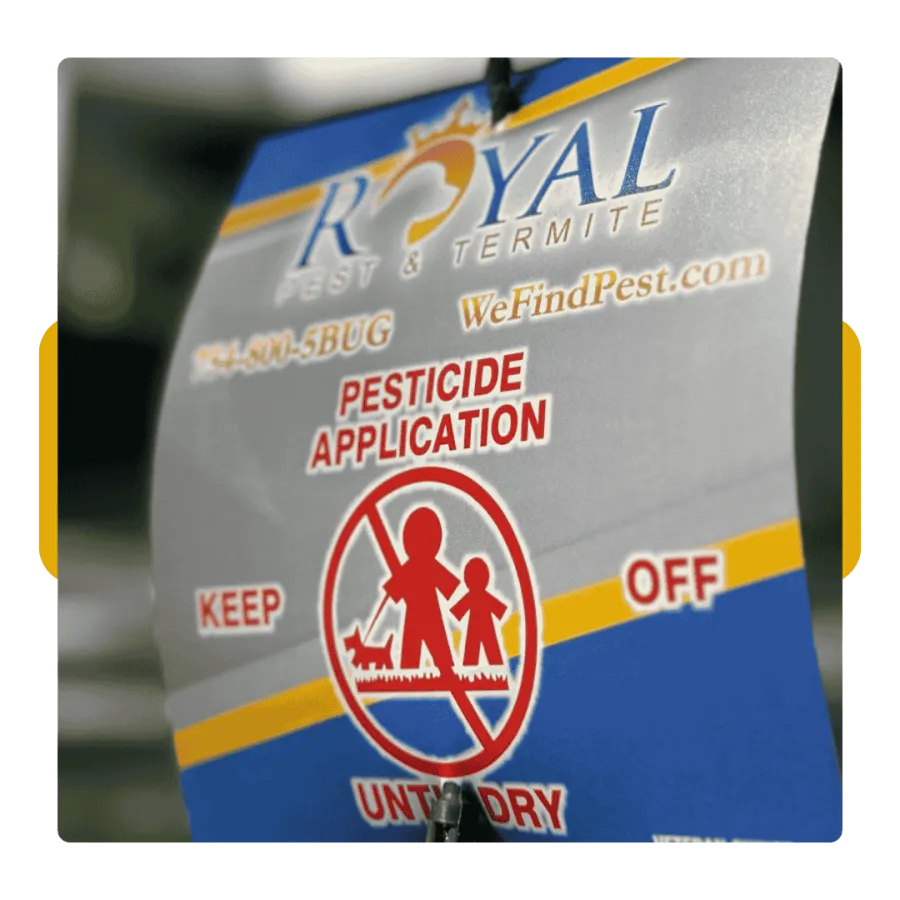
The name comes from the owner's dog, and it shapes what we use on a property: we choose products for homes with pets and kids. If you already use us for Boynton Beach pest control, termite work is on the same account and comes with the same guarantee.
Reasons to Choose Royal Pest & Termite

Locally Trusted

Licensed & Insured

Guarantee + Call-Backs

Award-Winning

Top-Rated

Ongoing Training
Proud Members of the Florida Pest Management Association
Termite Control Questions from Boynton Beach Homeowners
How much does termite treatment cost in Boynton Beach?
Cost depends on the species, the home's size and construction, and how far the activity has spread. We price fumigation and foam by cubic footage because the product must reach throughout the structure; we price bait stations and trenching by linear footage around the foundation. We inspect for free and give you a written estimate before scheduling.
What is a termite bond?
A termite bond is an ongoing agreement that covers inspection, monitoring, and re-treatment for a set period, renewed annually. It keeps protection active after the initial treatment, so you don't have to catch the next colony yourself. Terms vary by treatment method, and we'll review what yours covers before you sign anything.
How long does termite treatment last?
Between six and ten years, depending on the method. Bait stations are inspected annually, with bait replaced every two to four years, and liquid foundation trenching gives roughly five years of barrier protection. Every treatment carries a warranty, and annual renewals extend coverage past the original term.
Does homeowners insurance cover termite damage?
Standard Florida homeowners policies generally exclude it because insurers treat termite damage as preventable maintenance rather than sudden loss. That exclusion is why annual inspections matter. Repair costs on structural framing fall to the owner, and catching a colony early costs far less than replacing what it has eaten.
How much does it cost to tent a house for termites in Boynton Beach?
What is the difference between drywood and subterranean termites?
Drywood termites live inside the wood they eat and don't need soil contact, so they show up in attics, door frames, and window sills. Subterranean termites nest underground, build mud tubes to reach the structure, and run much larger colonies. In Boynton Beach, we regularly find both on the same property, and each needs its own treatment.
Does mulch attract termites?
Mulch does not attract termites on its own, but it holds moisture against the foundation and gives subterranean colonies cover to reach the structure unseen. Keeping mulch a few inches off the wall and below the slab line removes most of that advantage. The same applies to stacked firewood and landscape timbers set against the house.