Termite Control in West Palm Beach, FL
Historic Homes Need Careful Termite Work
Get Termite Protection

★★★★★
4.8 Rating

★★★★★
4.6 Rating
What We Find on West Palm Beach Termite Inspections
West Palm Beach has the heaviest drywood termite load of any
city we work in. The reason is the housing: El Cid, Flamingo Park, Grandview
Heights, and Northwood are full of 1920s wood-frame homes with original
framing, casings, and roof structures still in place.
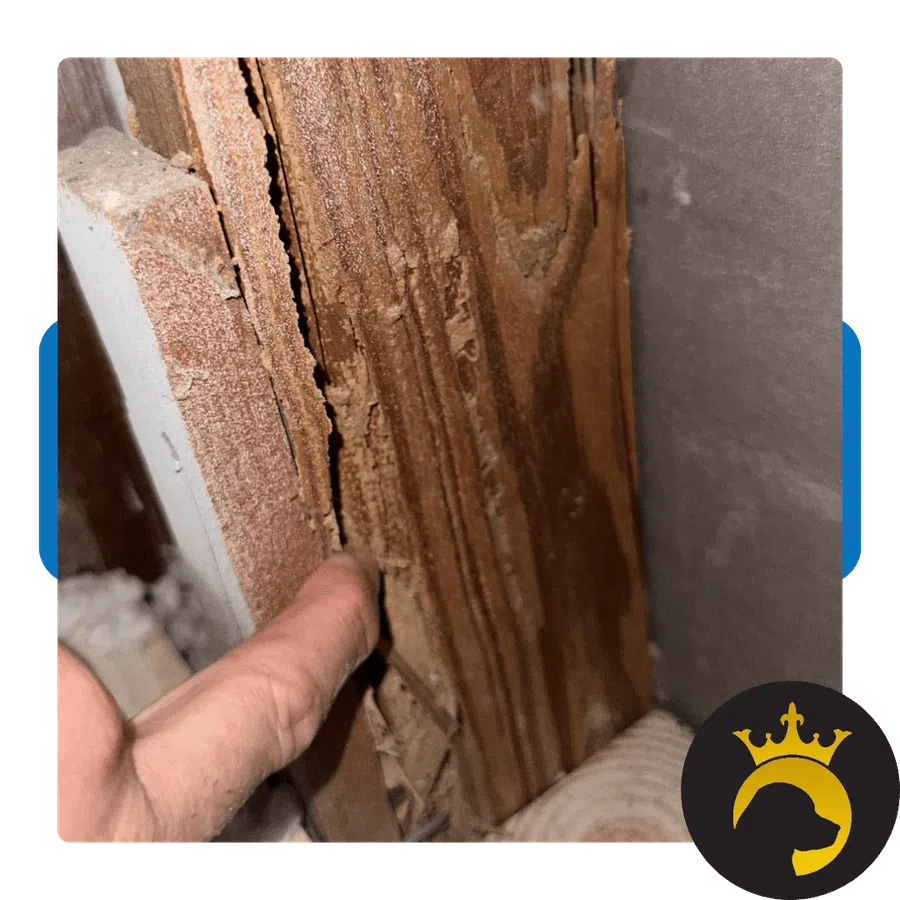
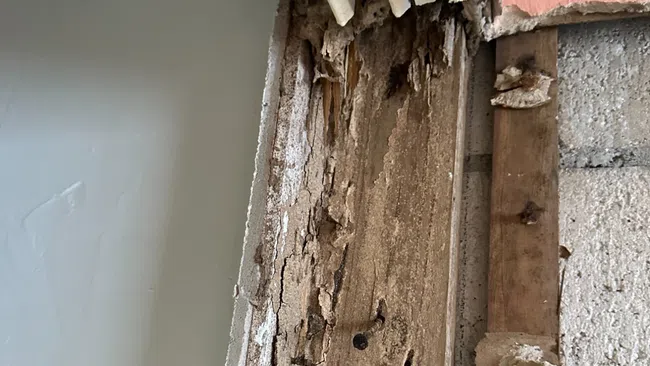
On those houses, we find frass under window sills and in attic framing, and the damage is usually well advanced by the time anyone notices, because the wood is painted and the galleries stay hidden. Historic designations also rule out some approaches, so localized work matters more here than it does in a newer market.
Subterranean pressure runs highest east of Flagler Drive and along the Intracoastal, where soil stays damp, and we find tubing at the slab edge and on seawall caps. Our termite treatment options follow what the inspection finds rather than a default.


Termite Species Active in West Palm Beach

Drywood Termites
Live entirely inside the wood they eat, with no soil contact. In West Palm Beach, they turn up in original attic framing, roof sheathing, and window casings in pre-war housing more than anywhere else.

Native Subterranean Termites
Nest underground and tube up through foundation walls, slab
cracks, and plumbing penetrations. The high water table east of the FEC
corridor keeps colonies active year-round rather than dying back seasonally.

Asian Subterranean Termites
Invasive and now established along the Palm Beach County
coast. Colonies grow larger than the native species and can nest above ground inside structures, so a clean perimeter does not clear a property.
Signs of Termites in West Palm Beach Homes

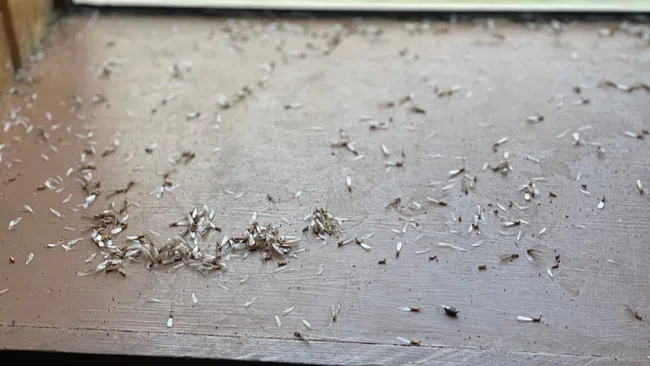
Discarded wings
Termite frass
Mud tubes
Wood cracking
Wall damage
Window damage
Flying insects
How Our West Palm Beach Termite Inspection Works
From your first call to ongoing protection, here's what to expect when you partner with Royal Pest & Termite.
Why West Palm Beach Homeowners Choose Royal Pest & Termite
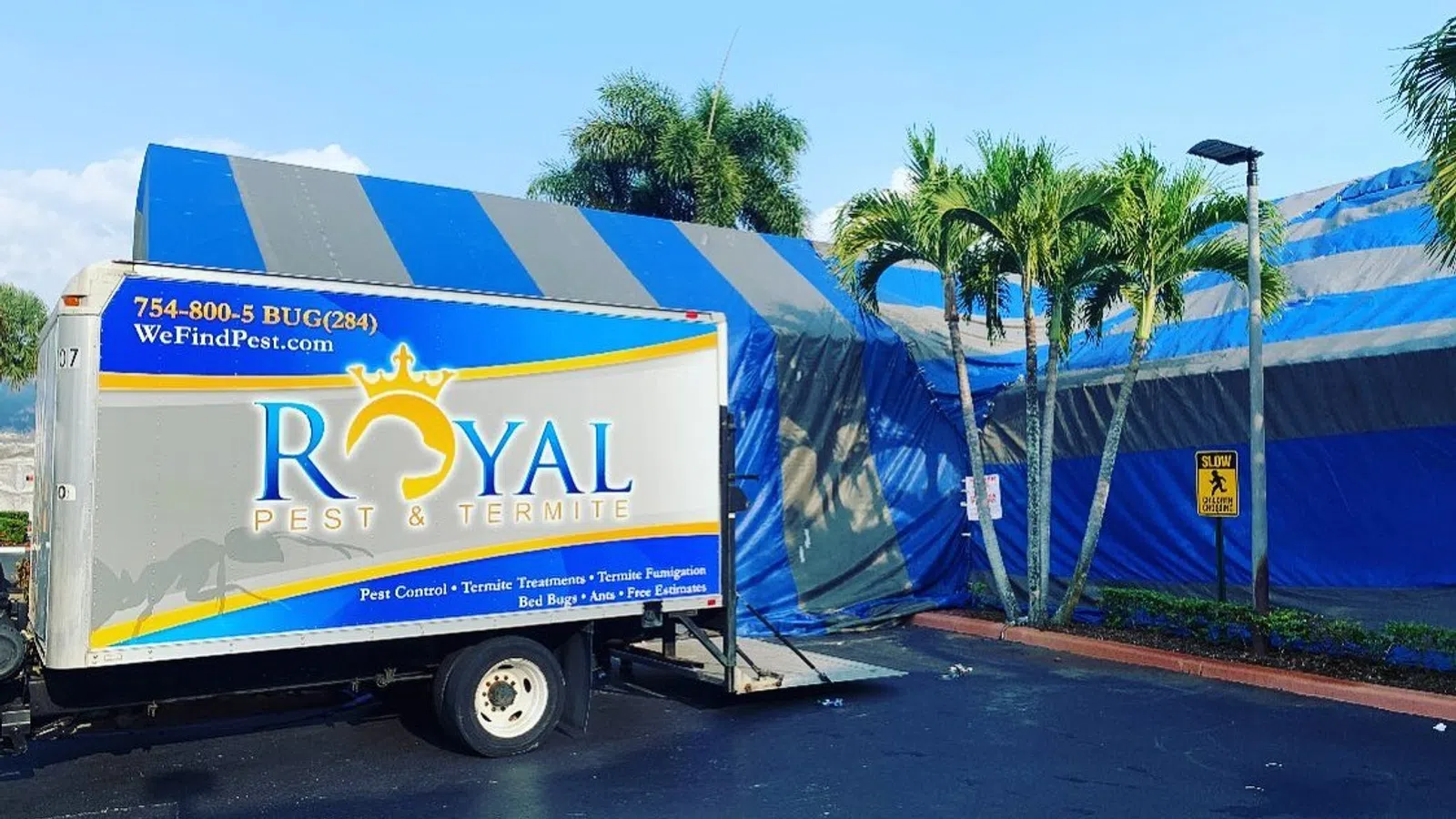
We have worked across Palm Beach County since 2014, operating out of Miramar rather than a regional call center. Technicians hold Florida licenses and train through University of Florida programs, and we are a member of the Florida Pest Management Association. Our crew handles tenting and fumigation.
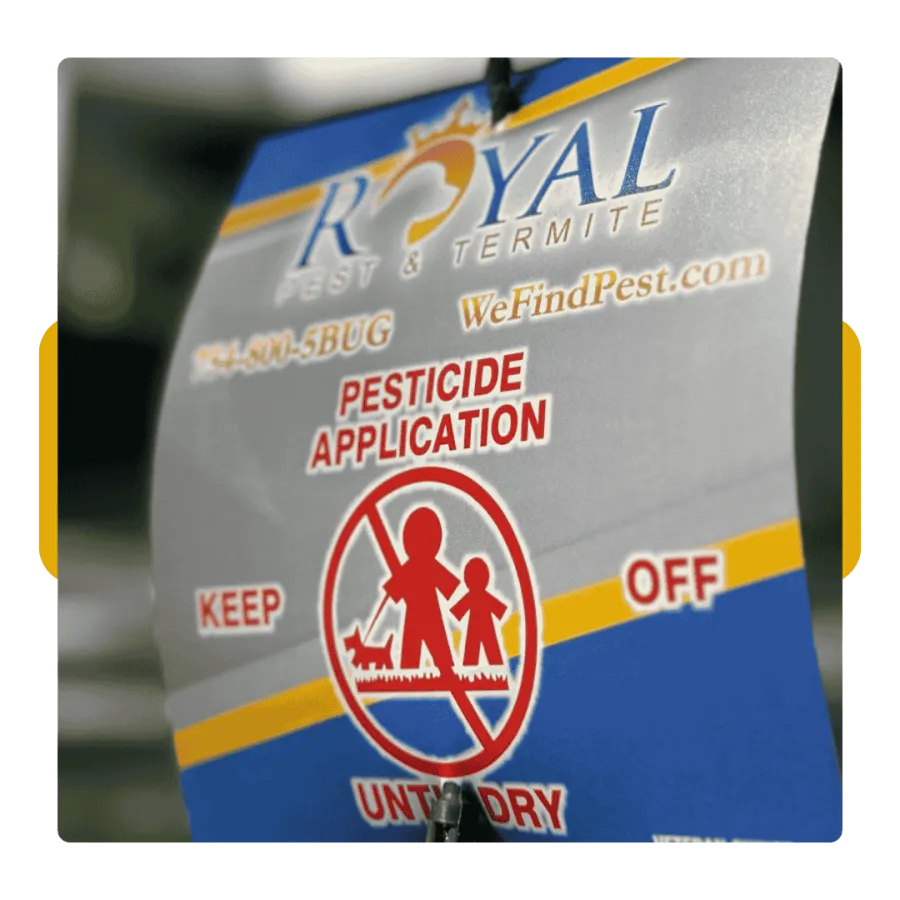
We are named after the owner's dog, and our product choices reflect that, with everything selected for homes with animals and children. If you already use us for pest control in West Palm Beach, termite work is on the same account and comes with the same guarantee.
Reasons to Choose Royal Pest & Termite

Locally Trusted

Licensed & Insured

Guarantee + Call-Backs

Award-Winning

Top-Rated

Ongoing Training
Proud Members of the Florida Pest Management Association
Termite Control Questions from West Palm Beach Homeowners
How much does termite treatment cost in West Palm Beach?
Cost depends on the species, the home's size and construction, and how far the activity has spread. We price fumigation and foam by cubic footage because the product must reach throughout the structure; we price bait stations and trenching by linear footage around the foundation. We
inspect for free and give you a written estimate before scheduling.
What is a WDO inspection, and do I need one to sell my home?
Can termites be treated without tenting my house?
Yes, when the drywood activity is localized rather than
spread through the structure. We inject foam directly into the galleries in the
affected wood, and it moves through the colony from there. You don't have to leave the house or bag your food, so we check whether that is an option before
recommending fumigation.
Does mulch attract termites?
Mulch does not attract termites on its own, but it holds
moisture against the foundation and gives subterranean colonies cover to reach
the structure unseen. Keeping mulch a few inches off the wall and below the
slab line removes most of that advantage. The same applies to stacked firewood
and landscape timbers set against the house.
How long does termite treatment last?
Between six and ten years, depending on the method. Bait
stations are inspected annually, with bait replaced every two to four years, and
liquid foundation trenching gives roughly five years of barrier protection.
Every treatment carries a warranty, and annual renewals extend coverage past
the original term.
Why do flying termites suddenly appear?
Swarmers leave a mature colony to start new ones, usually
after a warm rain, and they emerge in large numbers over a short window. Seeing
them indoors means a colony is already established in or very near the
structure. The wings they shed near windows and light fixtures often outlast
the swarm itself and are what most homeowners find.
How do I know if I have termites?
Common signs include pellet-like droppings below wood surfaces, pencil-width mud tubes on foundation walls, discarded wings near windows after rain, hollow-sounding wood, and paint bubbling on trim. Any one
of those is worth an inspection, since termites usually cause noticeable damage
before they become visible themselves.