Termite Control in Miami, FL
Three Termite Species. One Local Team.
Get Termite Protection

★★★★★
4.8 Rating

★★★★★
4.6 Rating
What We Find on Miami Termite Inspections
Miami is one of the few places in the country where four
termite species overlap in the same neighborhoods, and two of them are
invasive. That changes what inspectors need to look for.
Asian and Formosan subterranean termites arrived through
PortMiami and the bay marinas and are now settled across the city. Both build
colonies several times larger than the native subterranean, and the Asian
species nests above ground inside a structure, so we find activity in homes
with no mud tubing anywhere on the perimeter.
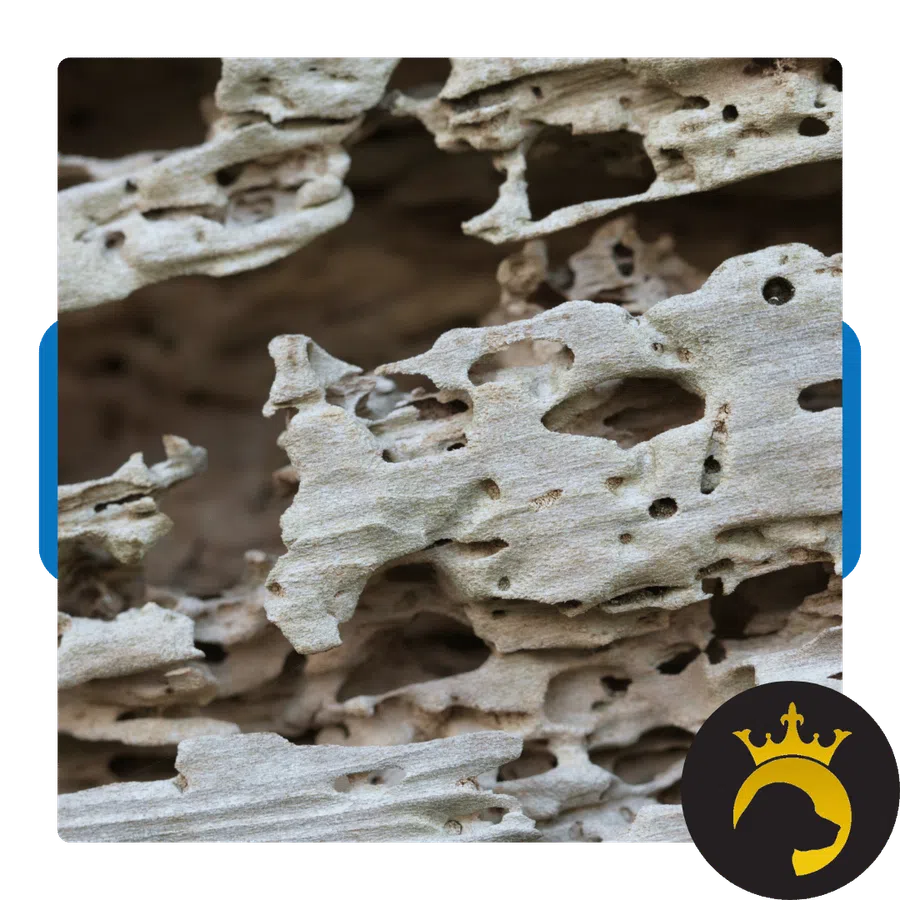
Drywood work tracks the housing type. In Coconut Grove and
Coral Way, we find frass under original casings on early wood-frame and
Mediterranean-revival homes. In Flagami and West Miami, it is almost always
attic framing on post-war block houses. In Brickell and Edgewater towers,
activity moves through shared framing, and we usually end up inspecting the
neighboring unit. Our termite control services start with
identification, not a default treatment.


Termite Species Active in Miami

Drywood Termites
Live inside the wood they consume, with no soil contact at
all, which puts them in attic framing, roof sheathing, door frames, window
sills, and furniture. This is the most common finding in Miami single-family homes of
any construction era.

Native Subterranean Termites
Build underground colonies and reach the structure through
foundation walls, slab cracks, and plumbing penetrations. Miami-Dade's high
water table keeps conditions favorable nearly year-round, so colonies persist
rather than dying back seasonally.

Asian Subterranean Termites
Invasive and widespread in Miami since the 1990s, with
colonies several times larger than the native species. It can nest above ground
inside a structure without maintaining soil contact, which is what makes it
dangerous: the usual perimeter signs may never appear. Swarms run from late winter
into early spring.
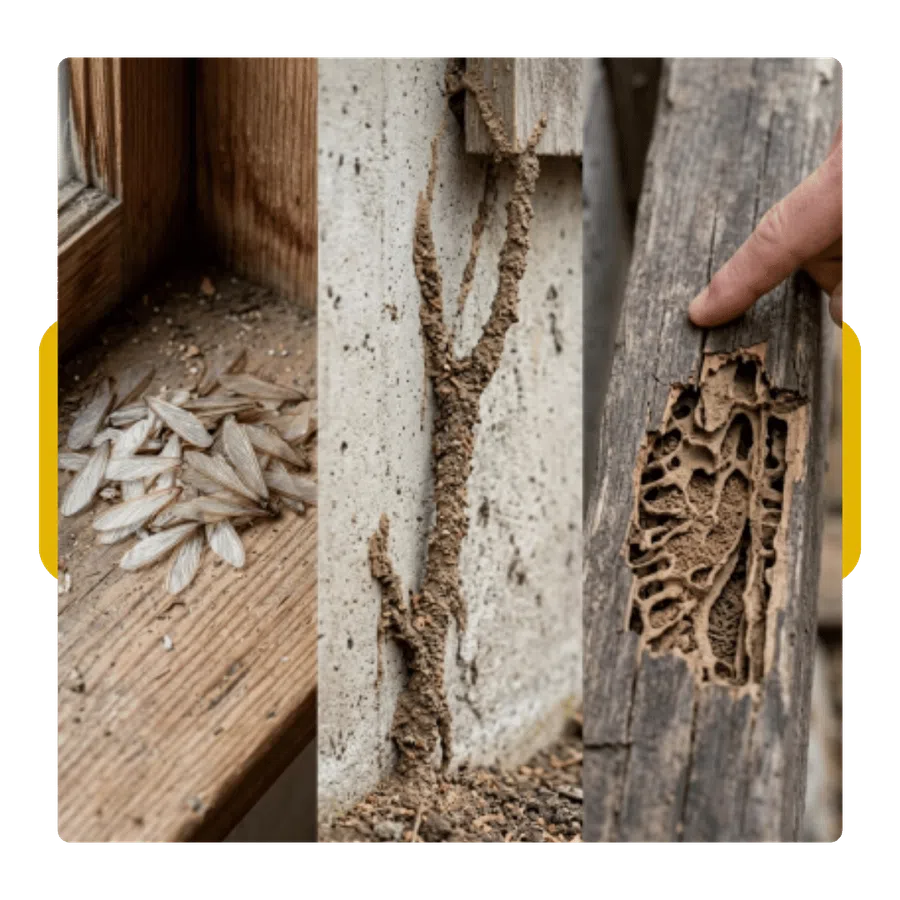
Signs of Termites in Miami Homes

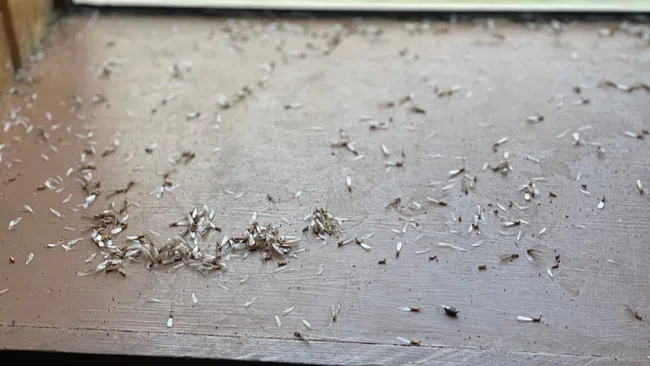
Discarded wings
Termite frass
Mud tubes
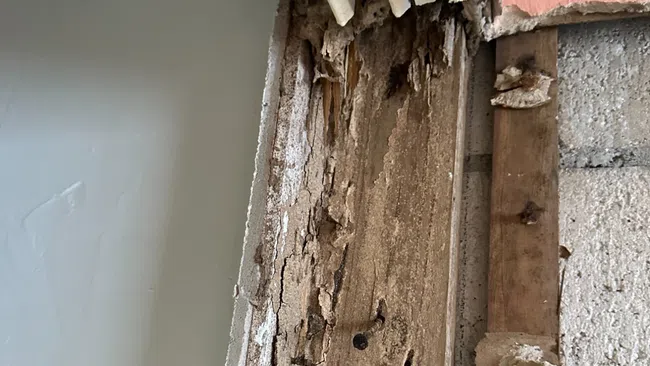
Wood cracking
Wall damage
Window damage
Flying insects
How Our Miami Termite Inspection Works
From your first call to ongoing protection, here's what to expect when you partner with Royal Pest & Termite.
Why Miami Homeowners Choose Royal Pest & Termite
Royal Pest & Termite has served South Florida since 2014
and works across Miami-Dade from our Miramar Parkway office. Our technicians
hold Florida licenses, continue training through University of Florida programs, and are members of the Florida Pest Management Association.
Fumigation is handled by our own crew, never subcontracted, which is unusual in
this market.
The company is named after the owner's dog, and product selection reflects it: everything we use is chosen for homes with pets and children. Termite work runs on the same account as your Miami pest control service under the same guarantee.
Reasons to Choose Royal Pest & Termite

Locally Trusted

Licensed & Insured

Guarantee + Call-Backs

Award-Winning

Top-Rated

Ongoing Training
Proud Members of the Florida Pest Management Association
Termite Control Questions from Miami Homeowners
How much does termite treatment cost in Miami?
Cost depends on the species, the property's construction and size, and how far the activity has spread. We quote fumigation and foam by cubic footage because the product must reach throughout the structure; we quote bait stations and trenching by linear footage around the foundation. The inspection is free, and we provide a written estimate before scheduling anything.
How much does it cost termite tenting cost in Miami?
Tenting is priced by cubic volume, so roof shape, ceiling height, and attached structures affect the cost more than square footage. Condo and townhome situations often cannot be tented at all and instead get foam injection. We measure the actual structure during the free inspection.
What termite species are in Miami?
Four: drywood, native subterranean, Asian subterranean, and Formosan subterranean. The last two are invasive, build much larger colonies, and can nest above ground inside a structure. That combination is why Miami properties need identification before treatment rather than a standard approach.
Is termite treatment worth it in Florida?
What kills termites instantly?
Nothing available to a homeowner does. Products promising it
usually kill the termites you can see while leaving the colony intact, and
surface sprays tend to drive activity deeper into the wood. Effective treatment
works through the colony: bait and foam transfer between members until they
reach the queen, and fumigation saturates the structure.
Can I sleep in my bed after fumigation?
Do you treat condos and townhomes, or only single-family homes?
Both. Multi-unit buildings are common in Miami and need a different approach because colonies travel through shared framing, and treating one unit alone rarely resolves the issue. We coordinate with building management, inspect adjacent units when the activity suggests it, and use foam injection when tenting an entire building isn't practical.